

Ascope Shipping provides container shipping from the UK to Singapore for household goods, personal effects, commercial cargo, business consignments and relocation shipments. With 15+ years of international shipping experience, we help customers arrange sea freight from major UK ports with practical FCL and LCL solutions, clear communication and support throughout the shipping process.
Whether you are moving household belongings to Singapore, sending personal effects to family, exporting commercial goods or arranging a larger business shipment, we can help you choose a container solution based on your cargo volume, budget and delivery requirements.
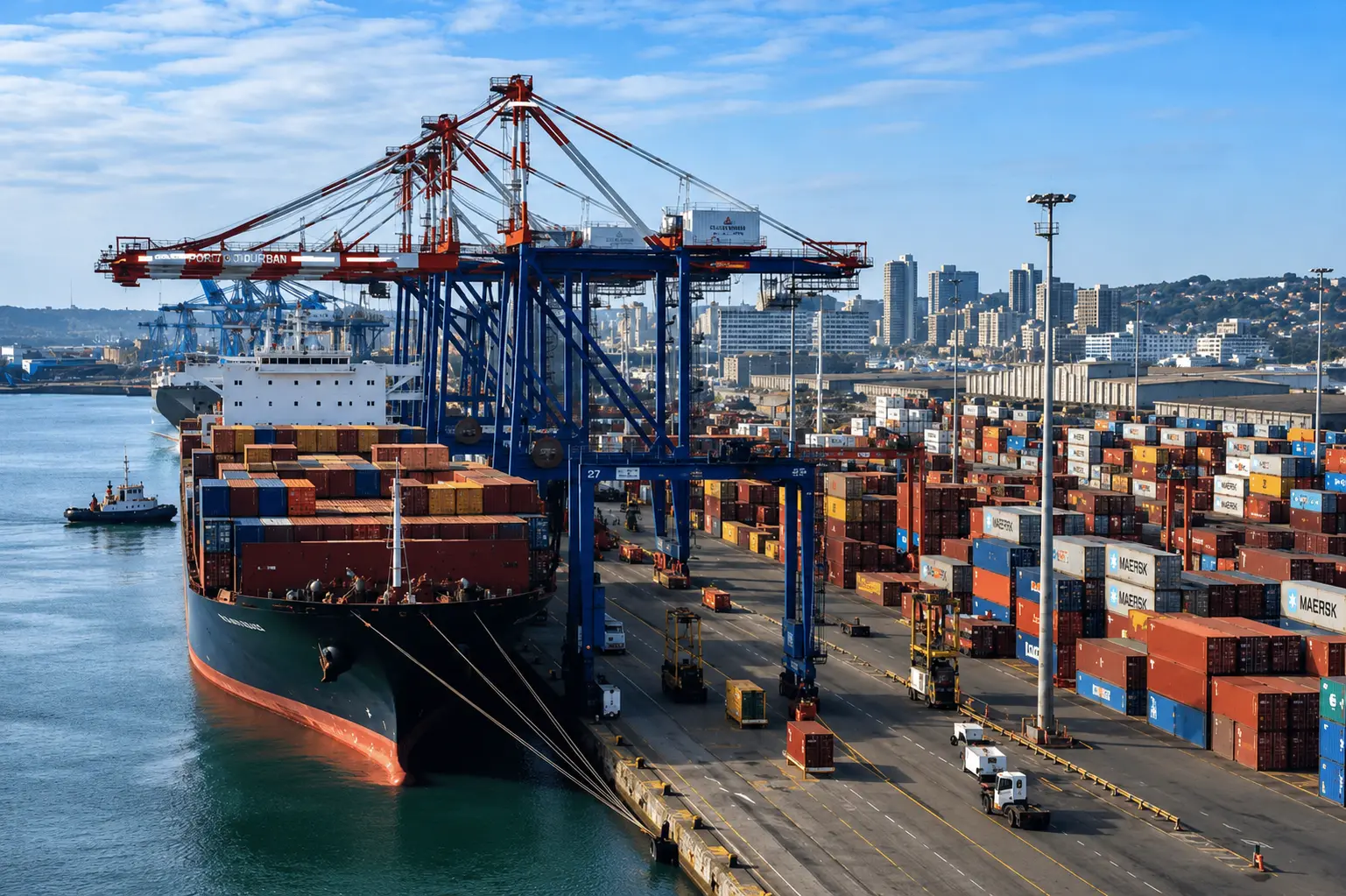
International container shipping involves more than booking ocean freight. Cargo needs to be packed, documented, collected, loaded, cleared and transported according to the requirements of the shipment and destination.
With 15+ years of international shipping experience, Ascope Shipping offers:
We regularly arrange container exports from major UK ports, including:
The most suitable departure port depends on your cargo location, container availability, sailing schedule, collection requirements and overall shipping cost. If your cargo is located elsewhere in the UK, we can discuss available collection or delivery arrangements.
The right container service depends mainly on the volume of cargo you are sending.
FCL means your shipment occupies a dedicated shipping container. It is generally suitable for larger household moves, commercial consignments, business stock, equipment and shipments that require exclusive container space.
Available container options include:
FCL can provide greater control over the loading of your goods because the container is dedicated to your shipment.
LCL is designed for shipments that do not require an entire container. Your cargo is consolidated with other compatible shipments, allowing you to pay for the space your goods occupy rather than booking an entire container.
LCL can be useful for smaller personal, household or commercial shipments where a dedicated container would provide more capacity than you need. For a detailed comparison, see our FCL vs LCL shipping guide.
A 20ft container is commonly suitable for smaller household moves, personal effects, furniture, appliances, boxed goods and commercial cargo where the total volume does not justify a larger container.
A 40ft container provides substantially more internal capacity and can be suitable for larger household relocations, commercial stock, equipment and consolidated consignments.
A 40ft high-cube container provides additional internal height compared with a standard container and can be useful for bulky or higher-volume cargo, subject to availability and cargo suitability.
Actual usable capacity depends on the dimensions, shape, weight and packing method of your goods.
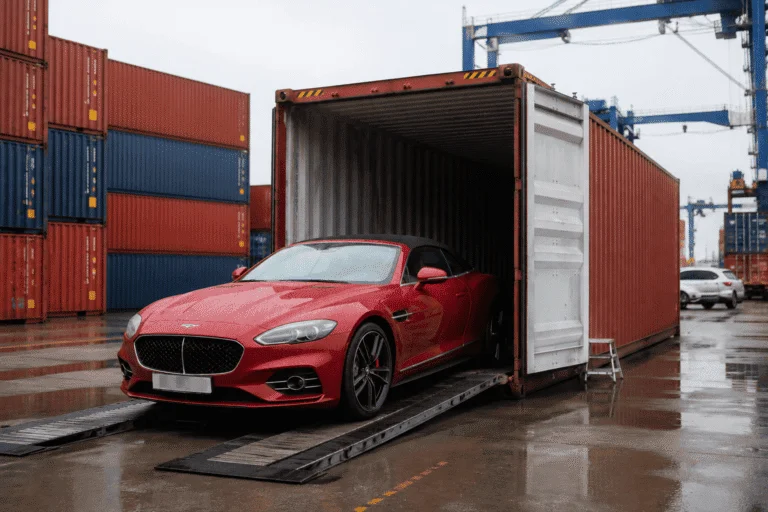
If you need to move a car instead of household or commercial cargo, visit our dedicated car shipping to Singapore page for vehicle shipping options, costs and current sailing information.
Container shipping prices depend on the container type, cargo volume, UK collection location, departure port, sailing schedule, destination charges and current freight market conditions.
| Container Type | Shipping Cost | Notes |
|---|---|---|
| Shared Container (20ft) | £960 | Suitable for most personal or commercial shipments |
| Shared Container (40ft) | £1,890 | For larger household or combined shipments |
| Dedicated FCL (exclusive use) | Enquire | For full exclusive container use |
Sea freight from the UK to Singapore is typically around 25–30 days, although actual transit can vary according to the departure port, vessel routing, transhipment arrangements, port congestion and carrier schedules.
Transit time should be treated as an estimate rather than a guaranteed delivery date. Collection, export procedures, loading, customs clearance and destination handling can add time before or after the ocean voyage.
Subject to carrier, customs and regulatory requirements, container shipping can be used for many types of personal and commercial cargo, including:
The acceptability of specific goods depends on their nature, packaging, value and Singapore import requirements. Restricted or controlled goods may require additional permits or approvals.
If you are relocating from the UK to Singapore, a container can provide a practical way to move furniture and personal belongings in one shipment.
Before packing, create a detailed inventory of your goods and separate items that may be restricted, prohibited or subject to additional import requirements. Good inventory records also make customs documentation easier. For additional packing guidance, see our tips for shipping personal and household effects.
Businesses can use container shipping for commercial stock, equipment, machinery and other eligible cargo moving from the UK to Singapore.
Commercial shipments normally require accurate descriptions, quantities, values and supporting documents so the shipment can be correctly declared and processed.
If your cargo is commercial, provide accurate information at quotation stage so we can assess the most appropriate shipping method and documentation requirements.
Correct packing and loading are important because cargo may be exposed to movement, vibration and handling during international transport.
Before loading:
For larger or fragile consignments, ask our team about the appropriate loading and securing arrangements before collection.
Provide your cargo type, approximate volume, collection location and preferred shipping timeframe.
We help you determine whether a dedicated container or shared container service is more appropriate for your shipment.
Pack your goods securely and prepare an accurate inventory and packing list.
Depending on the service selected, your cargo can be collected from your UK address or delivered to the relevant export facility.
Prepare the commercial invoice, packing list, identification documents and any additional paperwork required for the shipment.
Your cargo is processed for export, loaded into the container and shipped by sea to Singapore.
The importer or appointed customs agent completes the required Singapore import declaration and clearance procedures.
After clearance and applicable destination procedures, the cargo can be collected or delivered according to the agreed service.
The exact paperwork depends on whether your shipment is personal or commercial and what goods are being imported. Common documents can include:
Accurate descriptions and values are important because Singapore Customs uses declared information when assessing imported goods and applicable taxes or duties.
Singapore has a structured import-control system. Imported goods must comply with applicable customs requirements, and some categories are controlled or dutiable.
Singapore Customs states that GST is levied on imported goods, while certain categories, including motor vehicles, are dutiable.
For general container cargo, the applicable treatment depends on the goods being imported. Controlled goods may require approval or permits from the relevant Singapore authority before clearance.
Ascope Shipping can provide shipping and documentation guidance, but the importer remains responsible for ensuring that the goods comply with Singapore’s current import rules. For official information, check Singapore Customs.
Not every product can be imported into Singapore without additional approval. Some goods are prohibited, while others are controlled and require licences, permits or approval from a relevant authority.
Examples of goods that may require special attention include:
The rules depend on the exact product, quantity and intended use. Do not place controlled or prohibited goods inside a container without checking the current requirements first.
Personal effects can include household furniture, clothing, books, appliances and other belongings associated with a relocation or personal move.
Prepare a detailed inventory before packing and clearly identify goods that may require special treatment. Singapore import rules can differ depending on the nature and status of the goods, so check the latest requirements before shipment.
We can discuss different origin arrangements depending on your shipment and location.
We arrange collection from your UK address and transport the shipment to the export port before the ocean freight leg to Singapore.
You arrange delivery of the cargo to the agreed UK export facility, and the shipment then moves by sea to Singapore.
The exact scope of each service is confirmed in your quotation, including collection, loading, freight and any additional handling.
We recommend marine cargo insurance for customers who want additional protection against specified risks during international transit. Insurance policies have their own terms, conditions, exclusions and limits. Valuable or fragile cargo should be assessed carefully before shipment.
There are several practical ways to control your international shipping costs:
Avoiding simple preparation errors can reduce delays and unexpected costs.
Once your container arrives, it is discharged at the destination port and goes through the required import and customs procedures. After clearance, the cargo can be collected or arranged for onward delivery, depending on the service agreed in advance.
A packing list should clearly describe each item, quantity, package type and approximate weight or dimensions where appropriate. For household shipments, list furniture, appliances, clothing and personal effects individually or by logical category to support accurate customs processing.
Destination charges are not always included in the international freight rate. Depending on the quotation, additional costs may include port handling, customs clearance, storage, delivery, documentation or other local services. Always check the quotation for included and excluded charges.
Furniture should be properly cleaned, protected and securely packed before loading. Fragile surfaces need suitable padding, drawers and doors should be secured, and larger items should be positioned safely inside the container to reduce movement and potential damage during transportation.
Port delays can occur because of congestion, vessel schedule changes, customs inspections, weather or operational issues. If a delay occurs, the shipping schedule may be adjusted accordingly. Customers should also allow sufficient time for destination clearance and cargo collection.
Planning to ship household goods, personal effects or commercial cargo from the UK to Singapore? Contact Ascope Shipping for a free, no-obligation quotation. Tell us what you are shipping, your approximate cargo volume, UK collection location and preferred timeframe, and we will help you identify the most suitable container shipping option.
Get an itemised quote. No signup. No obligation.
Your details are safe — we never share them.
Need to tell us more? Ask us a question or get a free quote here. Or simply give us a call: